Filter Case Studies By:
-
Enabling Market Expansion Through Streamlined Pesticide Registration in Latam
THARSA, an Ecuadorian agrochemical company, partnered with Battelle to expand into Costa Rica and Guatemala by registering banana-targeted pesticides. Battelle conducted a Data Gap Analysis to identify regulatory requirements in each country and aligned THARSA’s data accordingly. Battelle’s multilingual team facilitated communication with local authorities and clarified country-specific needs. The final report included recommended studies, cost estimates, and a roadmap for registration, helping THARSA move forward confidently while avoiding delays and redundant testing.
-
Groundbreaking Formulation Technology for Sulfonylureas
Crystal Crop Protection Ltd approached Battelle with a significant challenge: they needed to develop a next-generation herbicide that could effectively control narrow leaf, broad leaf weeds, and sedges in transplanted paddy crops.
-
Screening Battelle’s Non-Microplastic Seed Binders in a New Seed Treatment Formulation
Battelle sought to develop new flowable concentrate seed treatment (FS) formulations with fungicidal active ingredients, incorporating non-microplastic seed binders for a key client.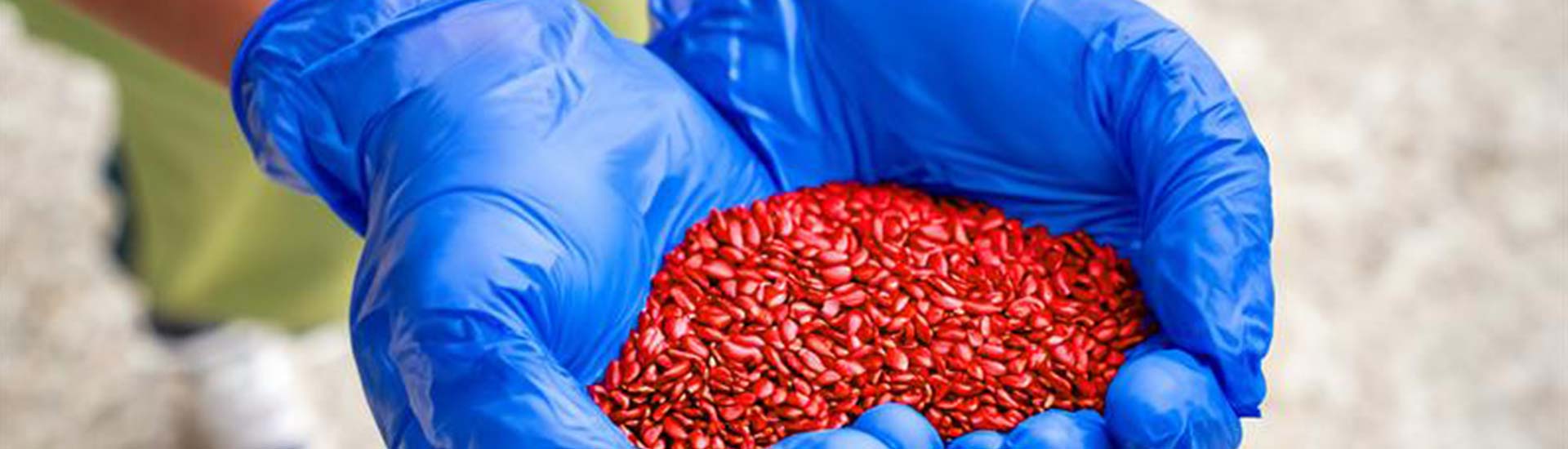
-
Sudan and Marburg Virus Countermeasures
Battelle was selected to support both nonclinical and clinical programs to help determine the effectiveness of candidate countermeasures for Sudan and Marburg viruses.
-
Accelerating Alphavirus Countermeasures
The current lack of licensed countermeasures for alphaviruses is a challenge, necessitating the development of effective vaccines and therapeutics.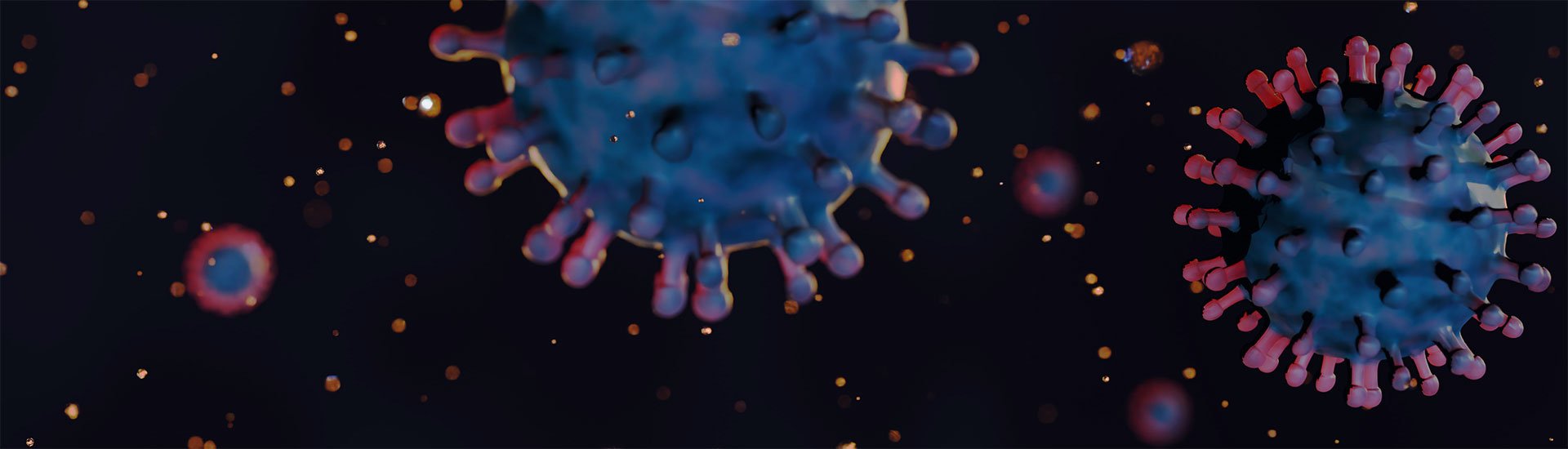
-
Advancing ZIKA Vaccines
The high-profile Zika virus outbreak in 2016 proved that the disease causes serious birth defects in humans and highlighted a need for vaccines and treatments. Battelle was chosen to pursue development of assays, evaluate the immune response, and evaluate efficacy and immunogenicity of multiple Zika vaccine and therapeutic candidates.
-
Ebola Multivariate Vaccine Study
The 2014 Ebola epidemic prompted an urgent need for an approved vaccine to treat or prevent the disease in future outbreaks. Based on Battelle’s extensive experience in vaccine testing and managing highly regulated, complex projects involving high-containment pathogens, we were chosen to evaluate the immunogenicity and efficacy of Ebola vaccine candidates to determine if they were protective.
-
Novel Preclinical Safety Studies
Read on how Battelle was tasked with performing preclinical safety studies to determine cause of toxicity in preclinical models of a nerve agent antidote for the DOD.
-
Enhancing Pesticide Extraction
A key client sought to conduct a radiovalidation study that required the extraction of radiolabelled pesticides from soil. The client requested to incorporate a specific piece of equipment into the pesticide extraction methodology that Battelle Crop Protection did not own. In addition, scientific research available on the use of this equipment was limited. What steps did Battelle Crop Protection take to address the challenge, overcome the limitations of existing techniques, and meet the clients’ requirements?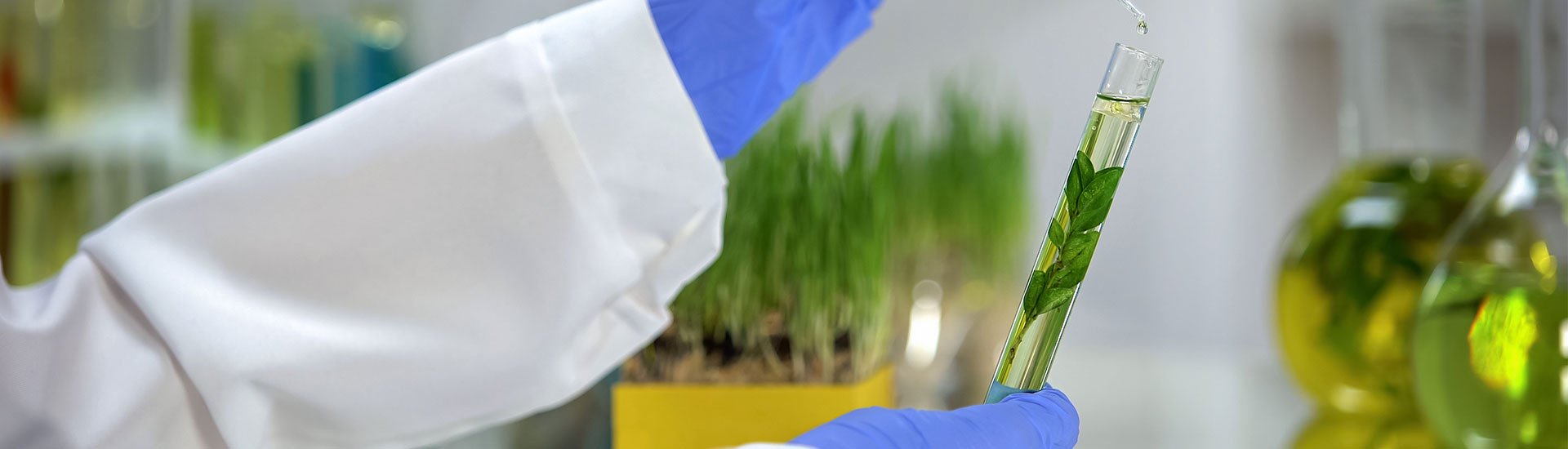
-
Helping ABI Patients Recover Daily Activity
We're improving the quality of life for the 5.3 million Americans who suffer from an ABI with our innovative biofeedback device.
-
Solving an Adhesion Failure for a Medical Device
A medical device manufacturer released a medical instrument that combined glass and plastic components. The plastic component was made of polyether ether ketone (PEEK), which was joined to the glass component using a cured epoxy. Through Battelle’s Surface Science program we identified an atmospheric plasma treatment as an approach to solve the adhesion problem and avoid changes to the product design or manufacturing process
-
To Make or Buy? That is the Question
A pharmaceutical company was evaluating potential options for a combination drug and injection device for a highly viscous drug. The viscosity of the drug made it difficult to inject by hand. To improve safety and reduce hand fatigue, they needed to modify the flanges or thumb pad on the syringe. There were custom-made and commercial-off-the-shelf (COTS) options available. Our client came to Battelle for help in deciding which one modification option would be most likely to be accepted by their end users.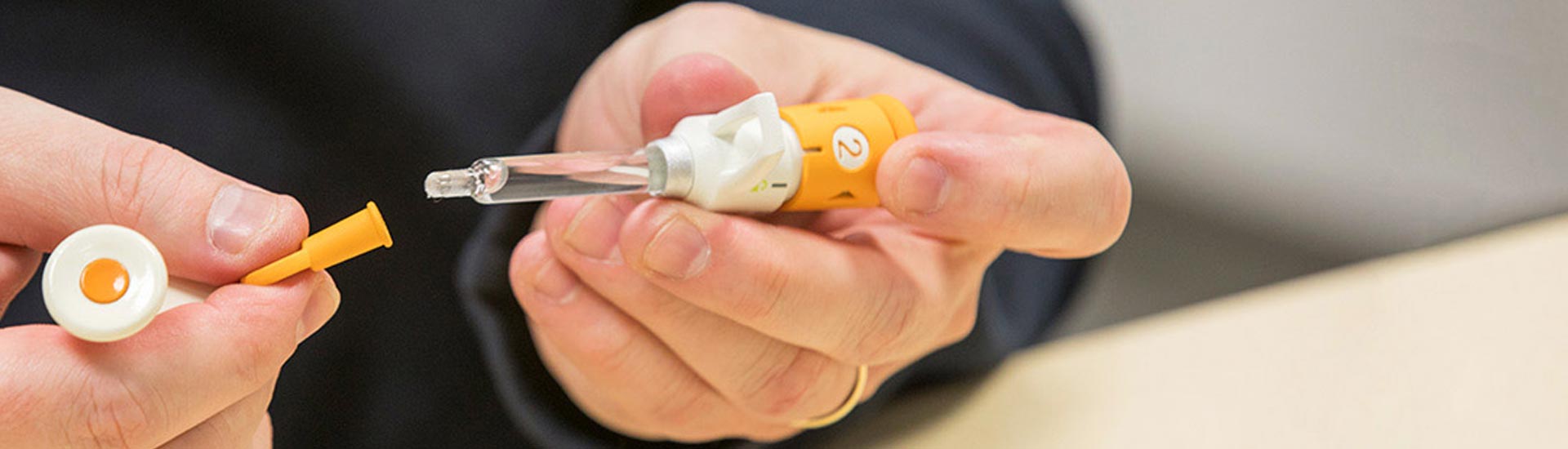
-
Bringing Carbon Capture and Storage (CCS) to Commercial Scale through the Midwest Regional Carbon Sequestration Partnership (MRCSP)
Learn how Battelle enabled the safe capture of 2+ million metric tons of CO2.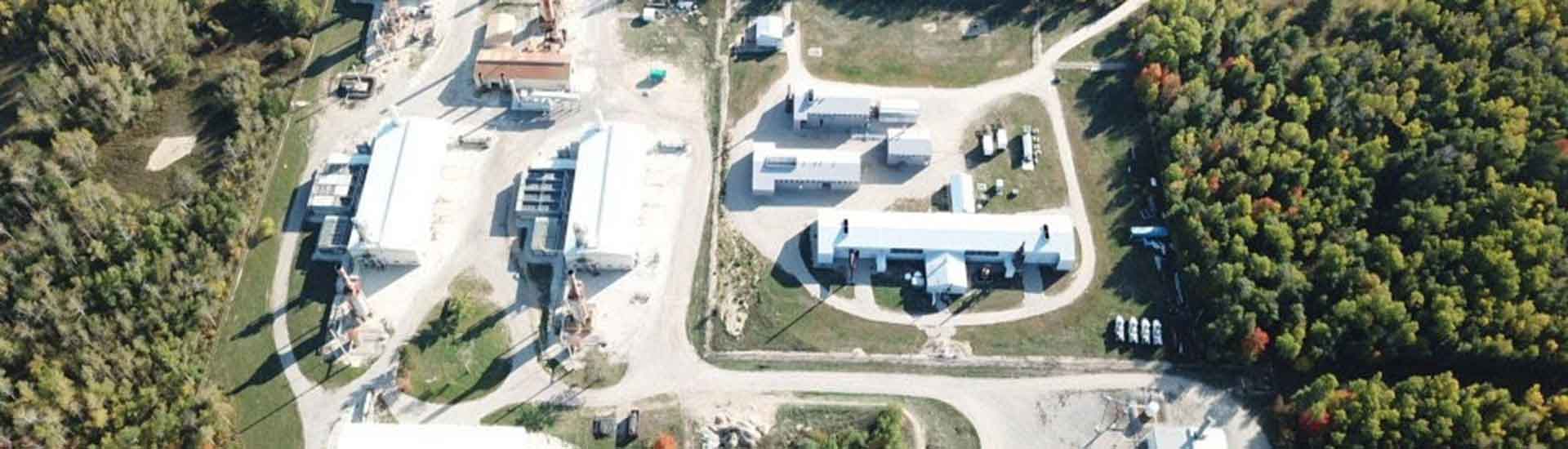
-
Battelle Develops Custom Armor Applications for Commercial Vehicles at Low Cost
In recent years, the U.S. federal government has identified a need for lower-cost non-standard commercial vehicles (NSCV). NSCVs – such as pick-up trucks, sport-utility vehicles, sedans, and vans – allow military forces to operate in areas without military logistical support. For more than eight years, Battelle has produced lightweight armored and upgraded vehicles for clients who sought better operational performance and protection.
-
Sustained Coordinated Observations of Arctic Change (CoObs)
The University of Alaska and Battelle received an NSF award to bring together research and local people’s needs and determine what information/observations are needed to secure sustainable food supplies in near-coastal Arctic ecosystems.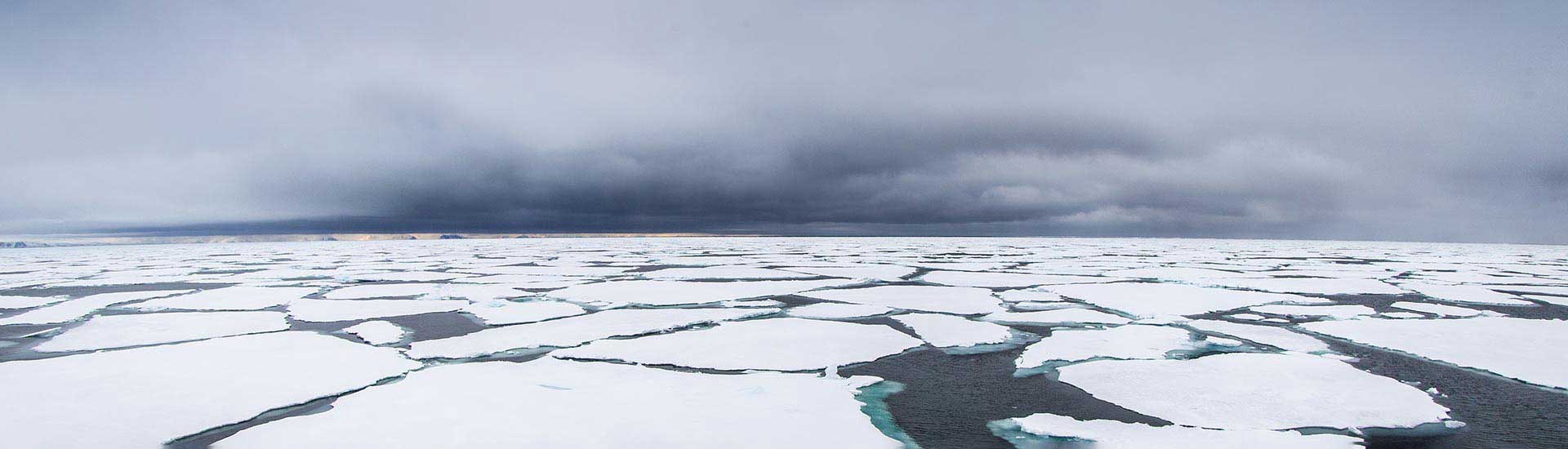
-
Encapsulating Fungal Enzymes for Safer Oil Remediation
Mycoremediation is a form of bioremediation that uses fungi to break down and extract contaminants from the environment. However, using live fungal cultures is problematic. Battelle developed an encapsulation technology to protect the enzymes from physical and chemical degradation.
-
The Battelle Smart Corrosion Detection Bead: Detection and Repair in One Step
Corrosion costs industry billions of dollars every year—more than $7 billion annually for oil and gas pipelines alone. We developed a smart microbead that breaks open when corrosion is detected. The smart beads look like a fine white powder and can be mixed into paints and coatings.
-
Oncolytic Viral Therapeutic
A sponsor organization developed a novel oncolytic viral therapeutic of genetically engineered herpes simplex virus type 1 (HSV-1) targeted to treat glioblastoma. Battelle was contracted to complete a GLP, IND-enabling study, evaluating the toxicity, biodistribution and efficacy of the therapeutic in a human orthotopic xenograft model.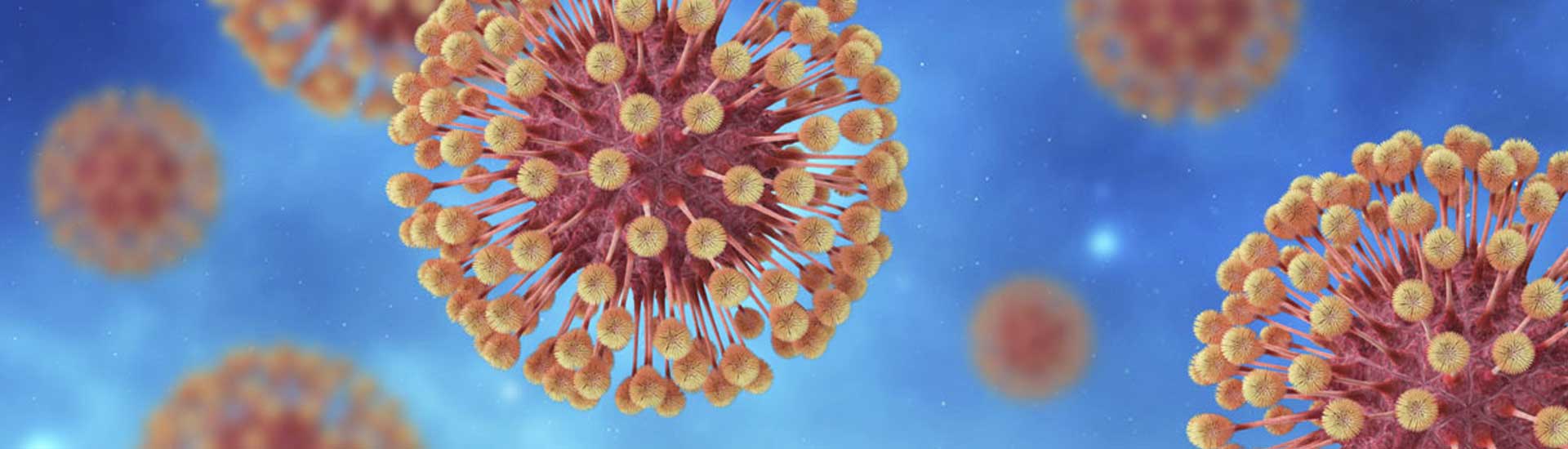
-
Making Green Site Restoration Even Greener
Battelle worked with the U.S. Navy, the U.S. Army and the U.S. Army Corps of Engineers (USACE) to develop a stand-alone tool called SiteWise™ to evaluate and quantify the environmental, health, safety and economic impact of a variety of restoration alternatives. SiteWise™ expands on existing Life Cycle Assessment (LCA) concepts to conduct GSR assessments specifically tailored to site restoration and remediation.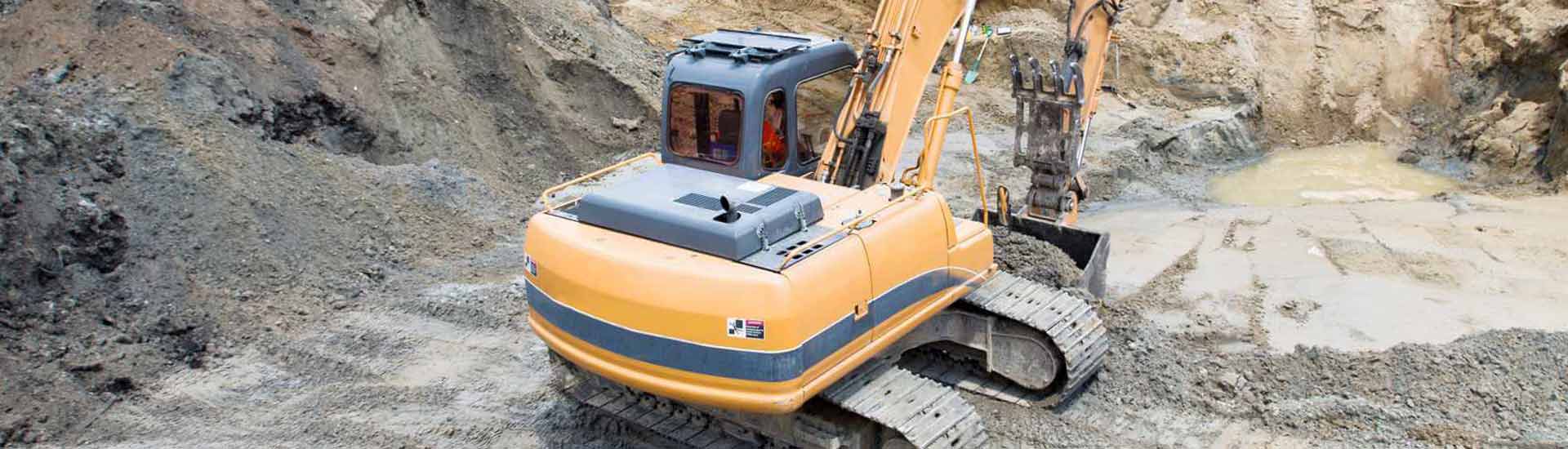
-
Microbial Response to Crude Oil in Ocean Sediments Using ‘Omic Technologies'
Battelle's combined metagenomic and metaproteomic analytical approaches demonstrated how microorganisms respond to changes in the environment such as exposure to crude oil. The microbial response to crude oil was investigated using genetic sequence profiling (metagenomics) and functional protein profiling (metaproteomic) to observe perturbations in microbial biodiversity and functional protein content.