FAQs

AFFF Transition and
Change-Out

Get the details direct from our experts for the most asked questions about AFFF transition and change-out, from AFFF basics to alternative foam selection.
Contact an expert


Aqueous Film Forming Foam (AFFF)

Aqueous film-forming foam, or AFFF, was developed to suppress Class B fires involving flammable liquids and gases, including gasoline, jet fuel and alcohol-based solvents. Its ability to rapidly knock down fires made it a critical tool in high-risk environments, from aviation and military settings to industrial facilities handling fuels, solvents and chemicals.

AFFF contains per and polyfluoroalkyl substances (PFAS), which provides excellent heat resistance, spread control and film-forming properties, ideal for smothering flammable liquid fires.

PFAS chemicals are a group of man-made chemicals used in AFFF to create a vapor-sealing film. They do not break down naturally, can accumulate in soil and water, and have been associated with cancer, immune disruption, and developmental issues.

In some locations, legacy AFFF can still be used for emergencies, but not for training or testing. However, storing or using legacy foam may carry legal and environmental liability. It’s generally recommended to begin replacement and disposal planning as soon as possible.

Are You Ready for the AFFF Phase-Out?

Replacing AFFF isn’t as simple as swapping one foam for another. In this blog, learn how a strategic, risk-informed approach to AFFF transition can help you make the switch with confidence.
How to Be Ready


Fluorine-Free Foam (F3)

Fluorine-free foams, or F3s, are alternate foams that do not contain any intentionally added PFAS. They're designed to provide similar performance in fire suppression systems, especially on Class B or fuel fires.

While their film-forming characteristics differ, many fluorine-free foams are UL 162 certified and suitable for industrial applications. Assessing fit-for-use in your specific application is essential before replacing your current foam.

In some cases, current systems can be used; however, it depends on system materials, proportioning equipment, and discharge nozzles. Some systems require modification for proper delivery of alternative foams. It is possible that a total system replacement is a more advantageous option. A site-specific assessment is typically needed to determine system requirements.

Navigating the AFFF Phase-Out

Much more than just a product switch, transitioning from AFFF involves complex technical, environmental and operational factors - with no one universal solution. In this white paper, learn how a strategic, risk-informed approach can help industrial facilities navigate the change-over with confidence.
Get the white paper


AFFF Transition and Change-Out

AFFF transition, also known as AFFF phase-out, refers to the process of transitioning to fluorine-free firefighting foams.

AFFF change-out refers to the removal of PFAS-containing AFFF and subsequent replacement with fluorine-free firefighting foam alternatives.

A comprehensive AFFF transition program generally includes:

  • Assessment: Evaluating applicable regulatory landscape, current AFFF systems and use environments, and alternative foams applicable for use.
  • Decontamination: Cleaning or replacing equipment that has been exposed to AFFF.
  • Replacement: Installing new systems using fluorine-free foams or other approved alternatives.
  • Training and Testing: Updating procedures and training personnel on the new systems.
  • Compliance: Meeting new regulations or industry standards (e.g. from the EPA, DoD, or NFPA)

For more, read the Battelle blog "A Risk-Based Approach to AFFF Transition".

Traditional AFFF contains PFAS chemicals, which are persistent in the environment and linked to serious ecological and health risks. Regulations at the federal and state levels are increasingly restricting or banning the use of PFAS-containing foams, and legal liabilities are rising. Transitioning reduces regulatory risk, supports environmental goals, and ensures compliance.

Want more? Read our blog "4 Key Drivers of the AFFF Phase-Out" to learn what's behind the push to phase out AFFF.

AFFF transition regulatory deadlines vary by region. Several states have already banned the use of PFAS-based foams in training or testing. It’s important to check both federal and state regulations to understand your compliance window.

Potential risks your firm may experience if you delay transition include but are not limited to:

  • Regulatory penalties
  • Legal liability for accidental releases
  • Insurance exclusions
  • Reputational damage

Are you ready to phase-out AFFF? Read this Battelle blog to find out.

Key stakeholders for an AFFF transition program typically include:

  • Environmental, health and safety (EHS) managers
  • Facility or fire protection engineers
  • Procurement/supply chain compliance teams
  • Original equipment manufacturers (OEMs) or fire extinguishing system integrators
  • Plant managers/site managers

Costs vary based on system size, complexity, age of infrastructure, equipment upgrades, clean-out approach, and waste disposal method of choice. While upfront costs may be significant, many companies see a foam transition program as a long-term investment for compliance and risk reduction.

AFFF Transition and Change-Out

Safely remove, dispose of and replace PFAS-containing AFFF with our risk-informed, cost-effective foam transition program – tailored to your site or systems’ unique requirements, regulatory environment and risk profile.
Explore AFFF Transition Services


AFFF Disposal and Treatment

AFFF disposal refers to the safe removal of AFFF or PFAS-containing foams, spent firewater, or system rinsate through methods like:

  • Deep well injection
  • Incineration
  • Stabilization and landfill disposal
  • Other novel methods

AFFF treatment is the processing of AFFF or associated waste products to reduce, neutralize or destroy PFAS or other contaminants found in the AFFF foam.

PFAS foams must be disposed of through licensed hazardous waste contractors. Below are key options that are most used:

  • Deep well injection: A method of destroying PFAS containing foams which includes injecting foam into deep underground wells to prevent migration of PFAS in drinking water aquifers
  • Incineration: A method of destroying PFAS containing foams which includes burning at very high temperatures (close to 2,000°F) to try and break down the chemical compounds
  • Stabilization and landfilling: A method of managing PFAS containing foams that involves immobilizing materials in solids before depositing in a landfill
  • Super critical water oxidation (SCWO): A method of destroying PFAS containing foams which includes oxidizing the hazardous chemicals in water at extremely high temperatures and pressures, where water enters a ‘supercritical’ state –behaving like both a liquid and a gas. This breaks down the carbon-fluorine bonds without releasing harmful gases, making it more environmentally friendly than incineration
  • Other novel or emerging methods

Potential liabilities originating from AFFF disposal options are:

  • Deep well injection: The injection of PFAS containing foam into the underground wells can create liability
  • Incineration: Less liability compared to deep well injection, but some risks may arise related to potential emissions
  • Stabilization and landfilling: Leaching of PFAS stabilized in landfills can create liability from potential contamination of drinking water sources
  • Water oxidation mineralization treatment: While typically the most expensive disposal option, water oxidation mineralization can eliminate future liability risk due to the conversion of PFAS in benign salts

Request An AFFF Transition Consultation

Considering transitioning from AFFF to fluorine-free foams? Request a no-cost consultation with our experts to see if an integrated AFFF transition program is right for your company or site(s).
Request Now


AFFF Replacement and Alternatives
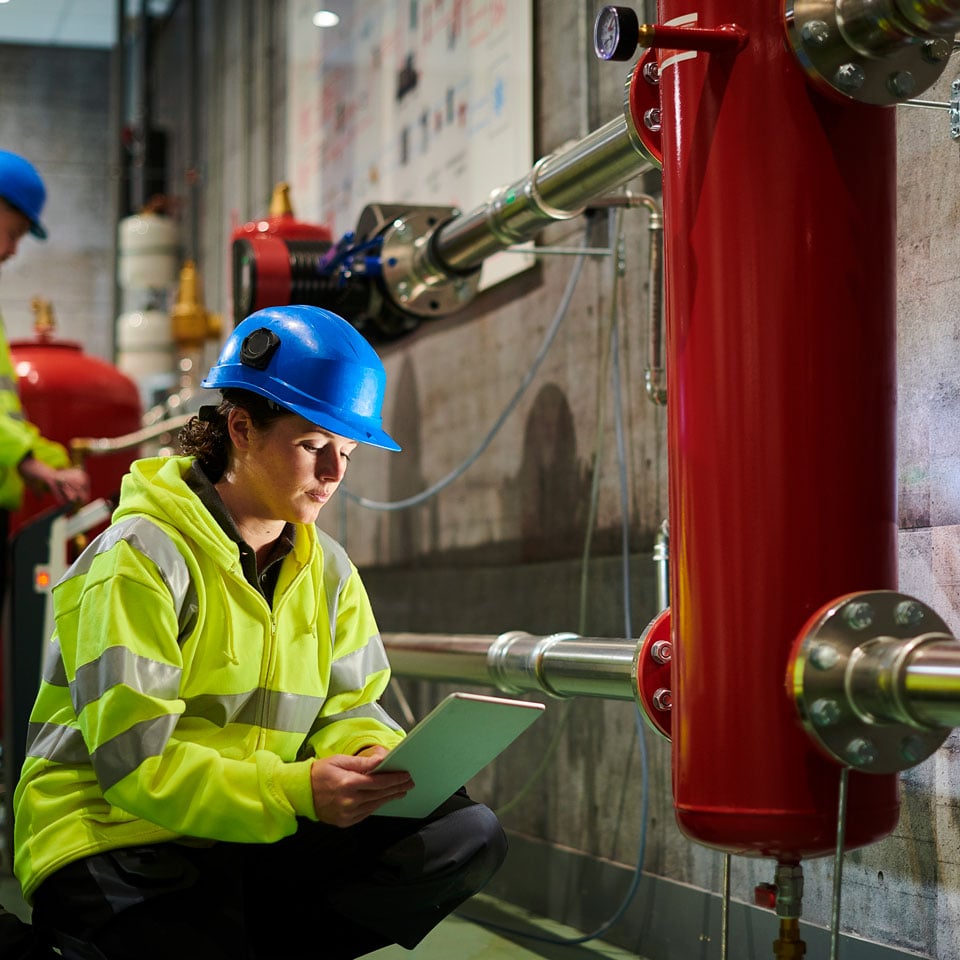
AFFF replacement refers to replacing AFFF with alternative fluorine-free foams, which can vary significantly in performance, required conditions and interaction with system components.

Read our blog "6 Top AFFF Replacement Challenge (and How to Solve Them)" for more on replacing AFFF.

AFFF alternatives are fluorine-free foams designed to perform similarly to AFFFs when addressing Class B or flammable liquid fires.

Yes, Battelle can help you select a new foam that is compatible with your risk levels, system infrastructure, and environmental regulations.

Image: Battelle PFAS expert on-site during an AFFF transition program

Total AFFF
Transition Program


Successful transition from AFFF to fluorine-free foam requires careful planning and strategic consulting expertise to manage liability and optimize performance and resources. While making the switch isn't simple, Battelle brings unmatched PFAS expertise and a practical, risk-based approach to foam change-out.

OUR INTEGRATED AFFF SERVICES