White Paper
Navigating the
Navigating the
AFFF Phase-Out
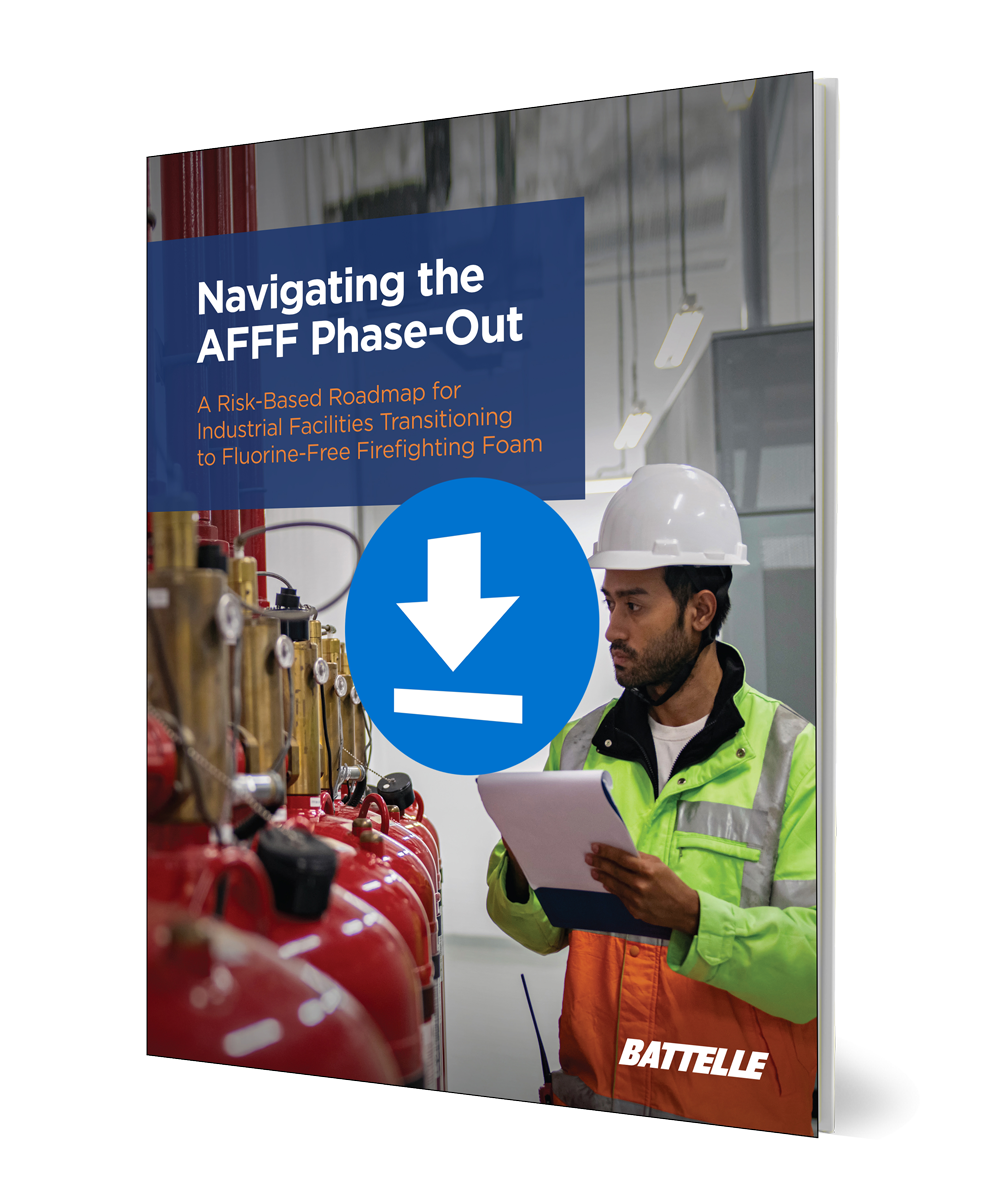
Much more than just a product switch, transitioning from aqueous film forming foam (AFFF) to fluorine-free foam (F3) raises complex technical, environmental and operational questions. In this white paper, learn how a strategic, risk-informed approach to AFFF transition helps industrial facilities navigate the change-over with confidence.
Get the white paper
A Risk-Based Roadmap
for AFFF Replacement
Industrial facilities are phasing out firefighting foams that contain polyfluoroalkyl substances (PFAS) to reduce liability, ensure regulatory compliance, and protect long-term operational resilience. However, there is no one-size-fits-all solution, with unique factors like facility location, infrastructure design, fire suppression system needs and risk tolerance creating a need for site-specific, strategic AFFF foam transitions.
Here's a risk-based roadmap to help organizations execute intricate transitions from AFFFs to F3 foams - from key drivers for foam transition, to critical decision points and much more. Get the white paper now for key insights to help you transition to PFAS-free foams the smart way.
Inside the White Paper
The Transition to Fluorine-Free Alternatives
Learn why AFFF change-outs for industrial facilities can require custom, multi-phase solutions, from unique operational needs to fire protection system requirements.
Key Drivers for the
AFFF Phase-Out
See how the pressure to remove PFAS-containing foams is mounting, including state-level bans, environmental and health risks, market shifts and more.
Making the Switch:
Risks and Challenges
Prepare for technically complex, logistically demanding AFFF foam phase-outs with key details on top foam conversion challenges like rebound risk and business disruption.
A Risk-Based Approach to AFFF Phase-Out
Explore 5 key decision points to navigate for an informed, site-specific transition plan - aligned with each facility's infrastructure, operational needs and regulatory exposure.