New Approach Methodologies
From Discovery to Impact
NAMs apply advanced in vitro and microphysiological systems to generate earlier, more human-relevant evidence of safety, efficacy, and biological response. As organizations integrate these methods, identifying the right tools, producing consistent data, and meeting regulatory expectations can be difficult
Battelle helps ensure methods are aligned with the right questions, data is generated with clarity and consistency, and results can be trusted by operational, scientific, and regulatory stakeholders. Our work gives teams confidence in the evidence NAMs produce and a partner committed to translating them into real-world impact.
Human-Relevant Systems Built for Decision-Ready Evidence
Battelle’s portfolio of advanced microphysiological systems (MPS) and human relevant in vitro models provides a powerful foundation for generating earlier, clearer evidence of safety, efficacy, and biological response. These predictive models deliver high fidelity insight and support key applications in pharmaceuticals, chemical safety, infectious disease, neurology, and exposure science. Through Battelle’s scientific rigor, context-of-use development, and reproducible methods, this portfolio delivers decision-ready data organizations can rely on.
Our Approach
Adopting NAMs effectively requires more than access to advanced models—it requires a structured approach that aligns methods, data, and decisions from the start. Battelle brings a clear, disciplined process to help teams apply NAMs with purpose, generate reliable evidence, and integrate results into programs with confidence. Our framework ensures every step supports the outcome you need.
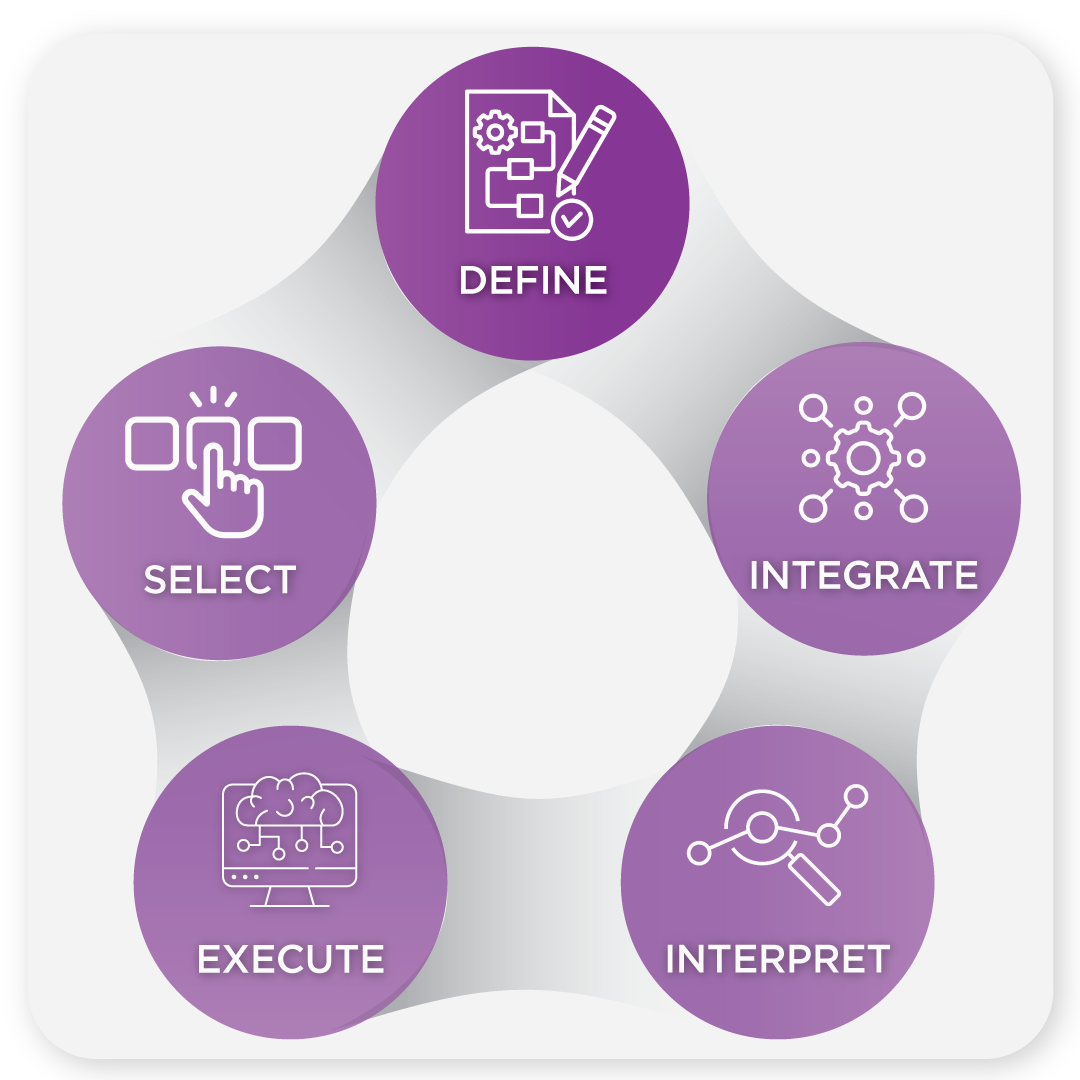
We work with you to clarify the scientific, operational, or regulatory questions that NAMs must answer—establishing a clear foundation for effective method selection.
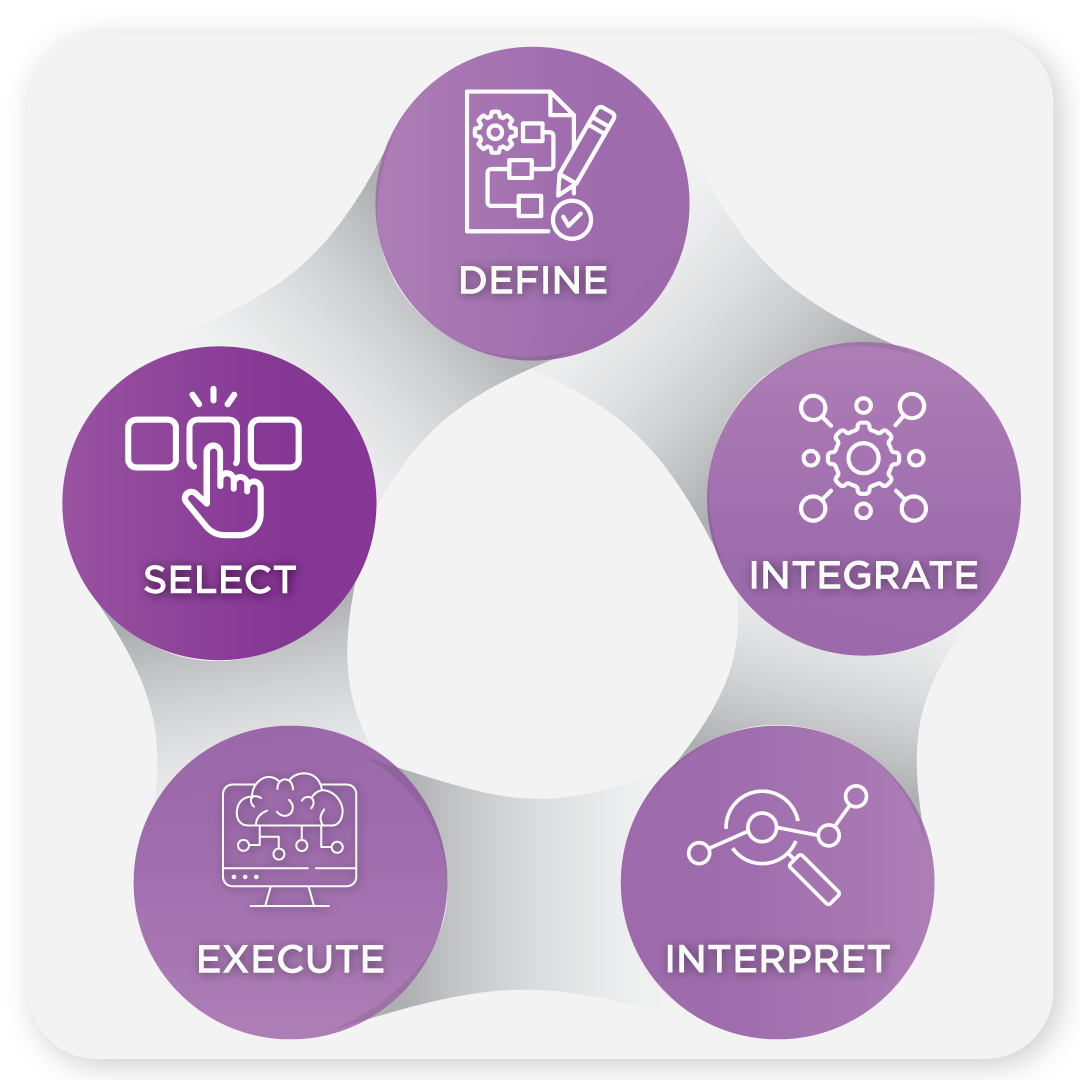
Using objective, platform-agnostic evaluation, we identify the NAM tool(s) best suited to your goals, ensuring methods are fit-for-purpose from day one.
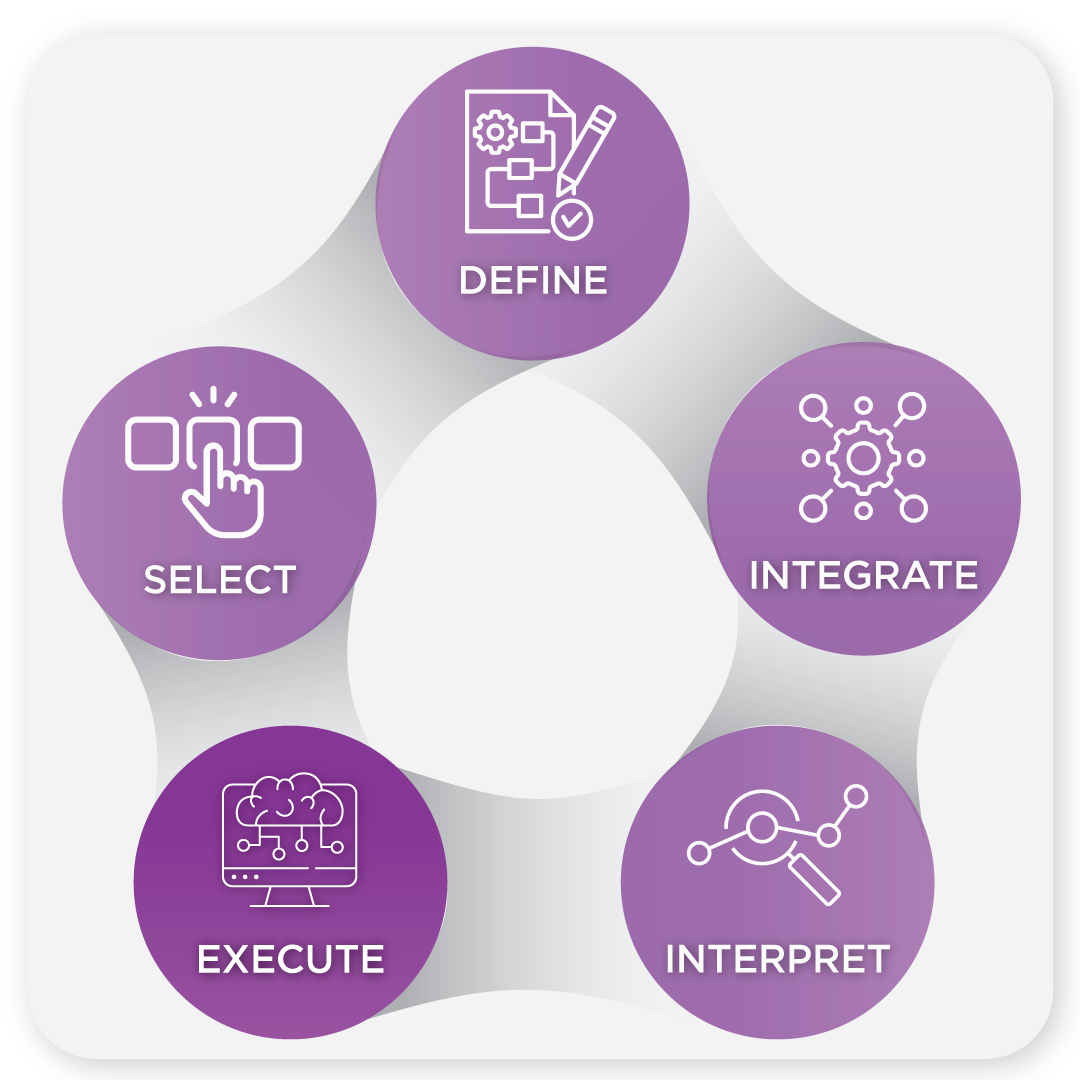
Battelle applies rigorous, reproducible study methods supported by deep scientific expertise, quality controls, and thorough documentation.
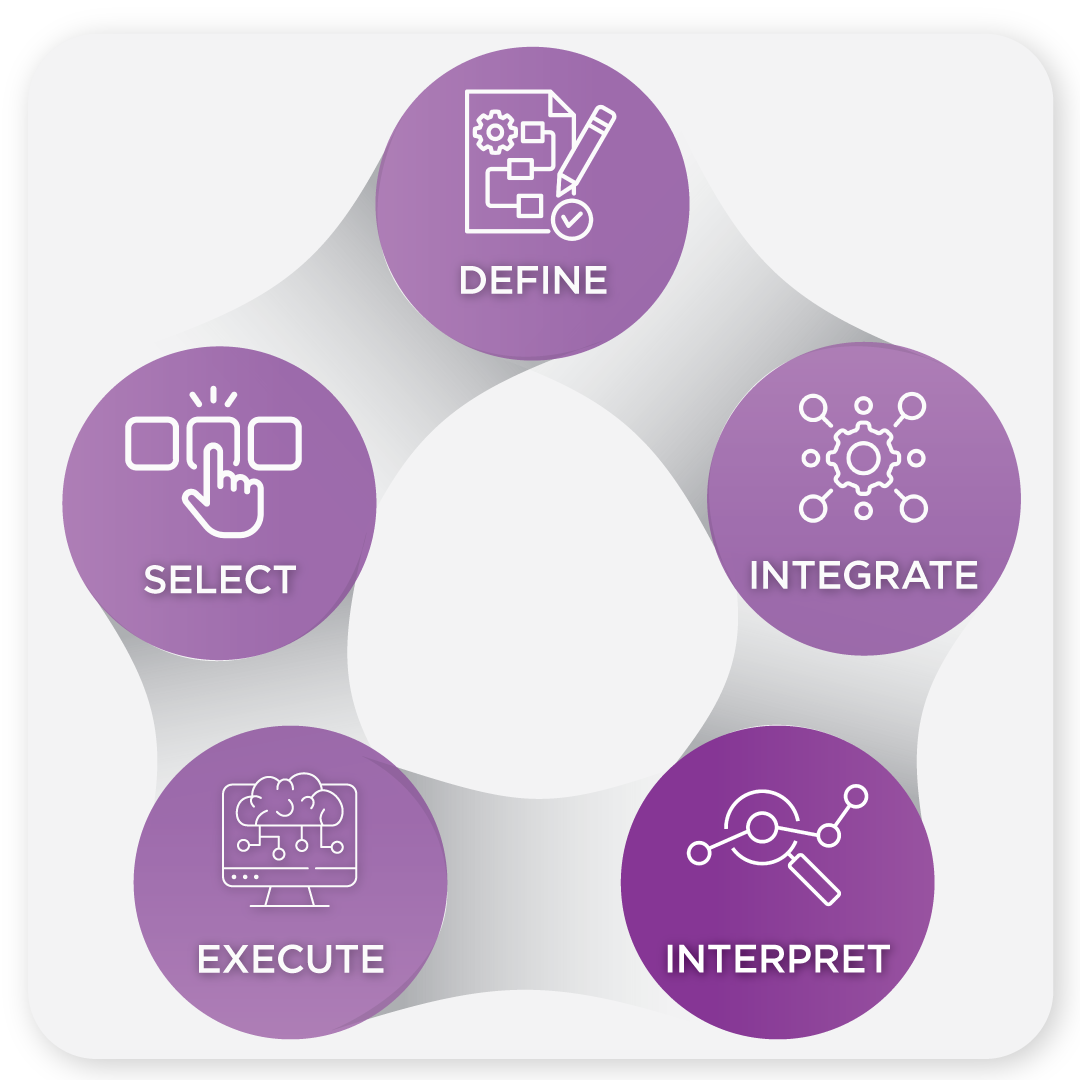
We analyze results with clarity—translating observations into meaningful insight and connecting outcomes to specific decision points.
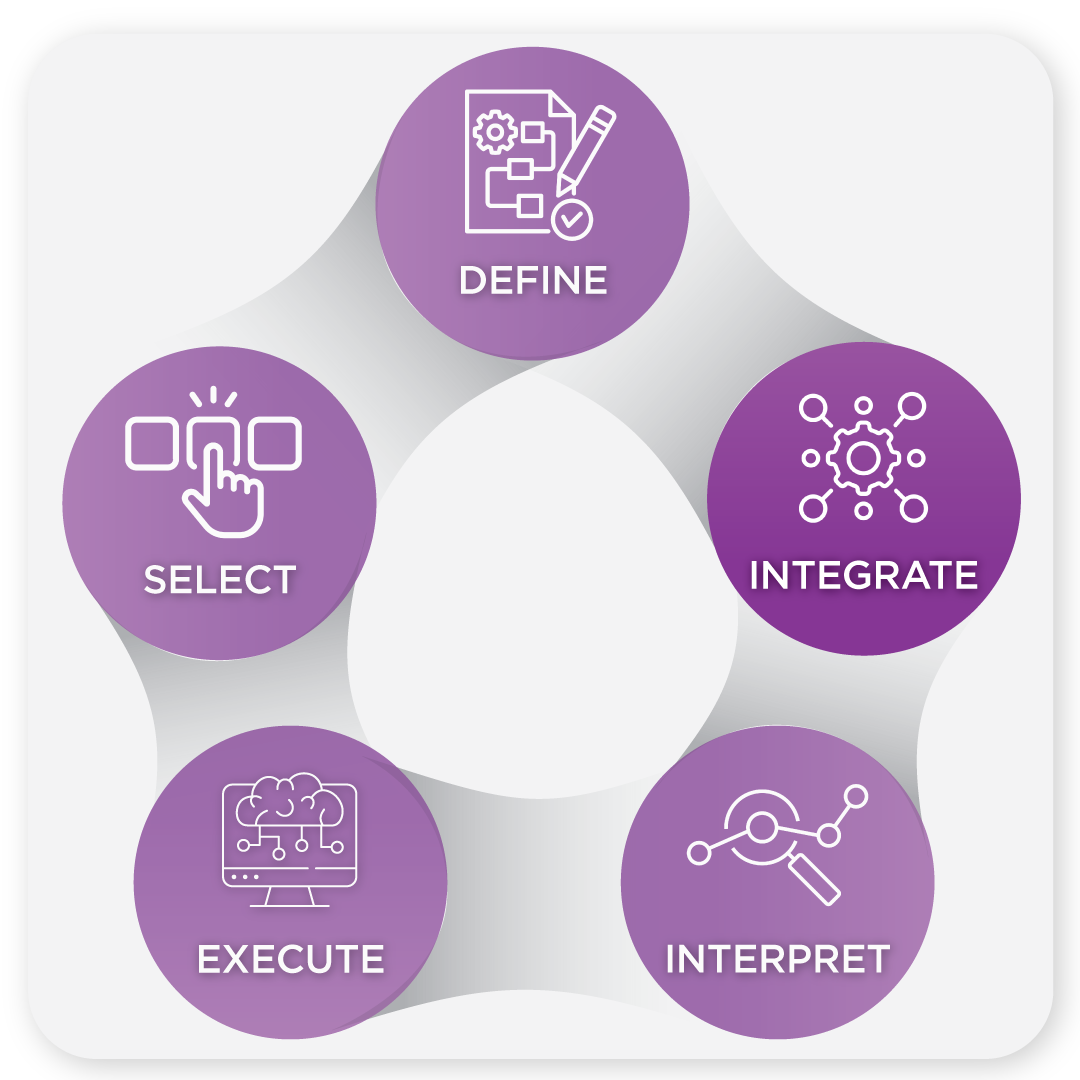
Battelle helps fold NAM-generated evidence into broader program strategies, regulatory packages, or internal decision frameworks so you can move forward with confidence.
New Approach Methodologies Are Here. Is the Industry Ready?
Featured Experts
-
Gabe Meister
Research LeaderGabe Meister is a Sr. Scientist with 20 years of experience working in the discovery and preclinical phases of vaccine and drug development. Dr. Meister has led multiple programs at Battelle that have resulted in FDA approval of novel therapeutics for the treatment of rare and life-threatening diseases. Most recently Dr. Meister leads a diverse group of scientists and engineers in developing novel drug delivery technologies.
-
Bob Moyer, PhD, DABT
Research LeaderDr. Bob Moyer has over 19 years of experience in biomedical research with a focus on cell biology and in vitro assays. Most recently, Dr. Moyer has led the optimization and implementation of new approach methodologies (NAMs) for several research programs at Battelle. These projects included development of a lung-on-a-chip system for evaluating medical countermeasures for respiratory viruses, vapor and aerosol exposures of primary rat and human airway cultures to evaluate toxicity of inhaled chemicals, and the application of a neuromuscular junction model to evaluate the effects of chemicals and toxins.